

Last Updated: November 13, 2026
Quick Summary
Support child emotional development by helping children name their feelings, teaching them simple calming activities, and staying calm alongside them. Start with everyday moments, such as naming a feeling at breakfast or reading a feelings story at bedtime, and practise regularly. This builds the emotional development that children need for self-control.
- Name feelings as they happen, for example: You're cross because he took your truck.
- Practise calming activities like breathing games and movement breaks when children are calm.
- Use co-regulation: stay steady, lower your voice, and sit at the child's eye level.
- Repair after upsets by reflecting together on what helped.
- Seek advice from a GP, health visitor or SENCO if distress is intense or lasts several weeks.
Table of Contents
- What Emotional Development Means for Children Aged 4 to 10
- Helping Children Recognise and Name Their Feelings
- How to Teach Emotional Literacy Step by Step
- Emotional Regulation Activities for Kids That Work in Practice
- Co-Regulation Strategies for Parents and Carers
- Signs of Emotional Distress in Children and When to Seek Help
- Choosing Your Next Step: Starting Emotional Conversations This Week
- Frequently Asked Questions
Every parent, teacher and childminder has seen it: a child who goes from calm to furious in seconds, or who goes quiet and withdrawn when something has upset them. Supporting child emotional development is one of the most useful things an adult can do for a child aged 4 to 10, and it starts with giving children the words and the space to understand what they feel.
What Emotional Development Means for Children Aged 4 to 10
Emotional development is the process by which a child learns to recognise, understand, express and manage their feelings, and to respond to the feelings of others. For children aged 4 to 10, this grows from simple reactions into more thoughtful self-awareness.
Development is not a straight line, and children vary widely. What matters most is steady progress: a child who can name a feeling, even imperfectly, is building the foundation for self-control later.
Age-by-age guide: what to expect and how to support it
Most children follow a similar sequence, but the timing varies. Use this as a guide, not a checklist.
Ages 4-5
- What you may see: Big, immediate feelings; difficulty waiting; hitting or shouting when frustrated; brief tantrums; growing interest in other children but limited sharing.
- How to support: Name feelings as they happen (“You’re cross because he took your truck”). Use simple choices (“Do you want to stomp like Blaze or squeeze the cushion?”). Keep routines predictable. Praise attempts to use words.
- Realistic variation: Some four-year-olds can negotiate; others still melt down over small changes. Both are within the normal range.
Ages 6-7
- What you may see: More words for feelings; beginning to hide some emotions; stronger sense of fairness; friendships become important; can follow simple calming strategies when reminded.
- How to support: Talk about feelings in books and stories. Practise “stop, name, choose” when calm. Use visual feelings charts. Coach turn-taking and repair after conflict (“What could you say next time?”).
- Realistic variation: Some children this age still have frequent outbursts, especially when tired or hungry. Persistent difficulty across settings is worth noting.
Ages 8-10
- What you may see: Growing ability to reflect; more concern about peer opinion; can feel embarrassed or ashamed; may withdraw rather than explode; increasingly able to use self-talk and distraction.
- How to support: Ask open questions (“What was the best and worst part of your day?”). Validate without rushing to fix. Teach simple problem-solving steps. Model apologising and repairing after your own mistakes.
- Realistic variation: Some children mature earlier or later; temperament, neurodivergence, and life events all affect the pace.
What progress looks like
Watch for these everyday markers rather than comparing children to each other:
- Naming basic feelings such as happy, sad, cross or scared
- Recovering from upset within a reasonable time with adult help
- Showing concern when a friend is upset
- Explaining a feeling in words rather than only through behaviour
Watch out: If a child’s emotional responses are far outside the typical range for their age, for example, frequent, intense outbursts that disrupt daily life, or a complete lack of interest in others’ feelings, it is worth discussing with your SENCO, health visitor or GP. Early support helps.
Helping Children Recognise and Name Their Feelings
Children cannot manage a feeling they cannot name. Start by putting words to what you see: "You look frustrated that the tower fell down." Keep it short, calm and matter-of-fact.
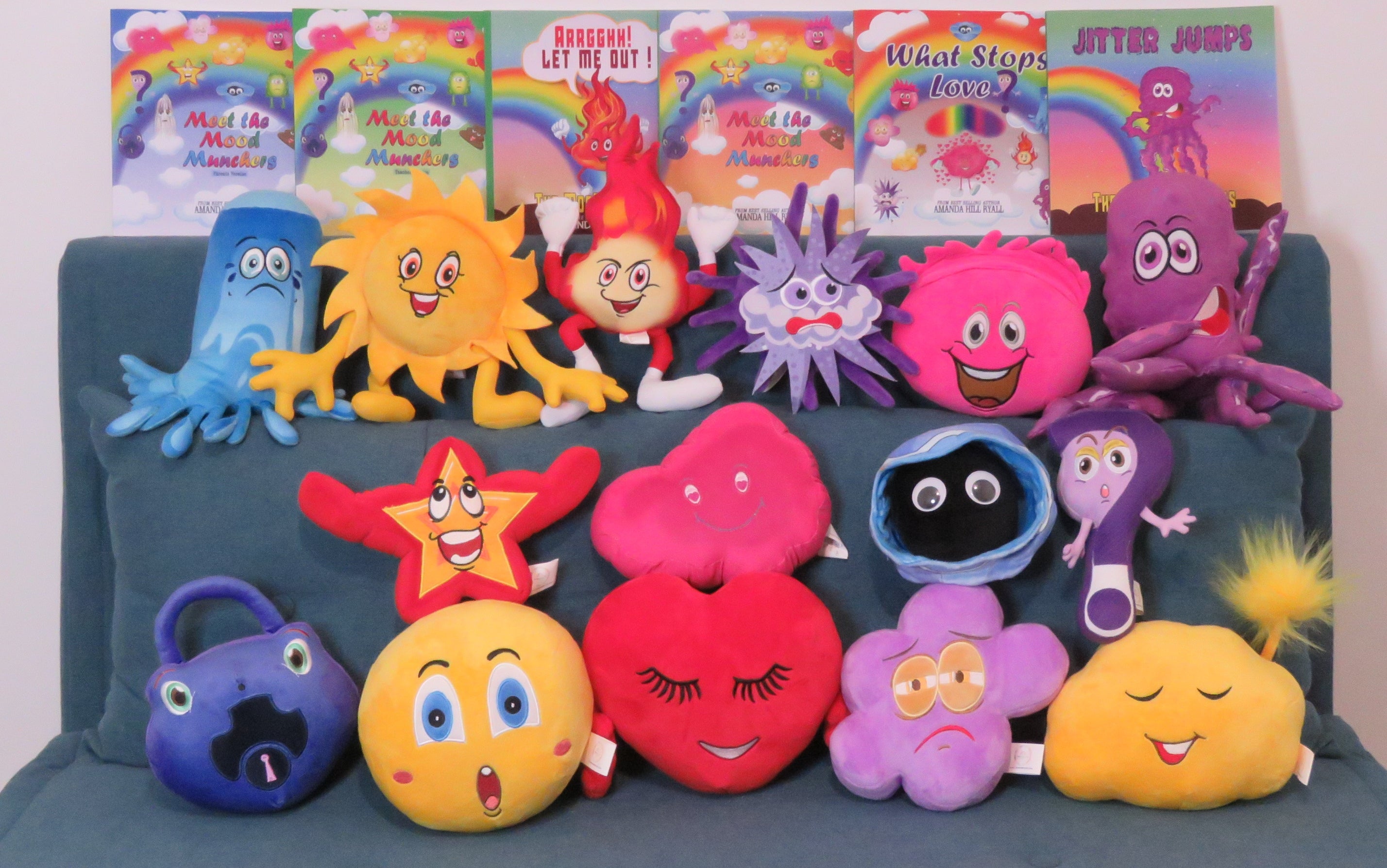
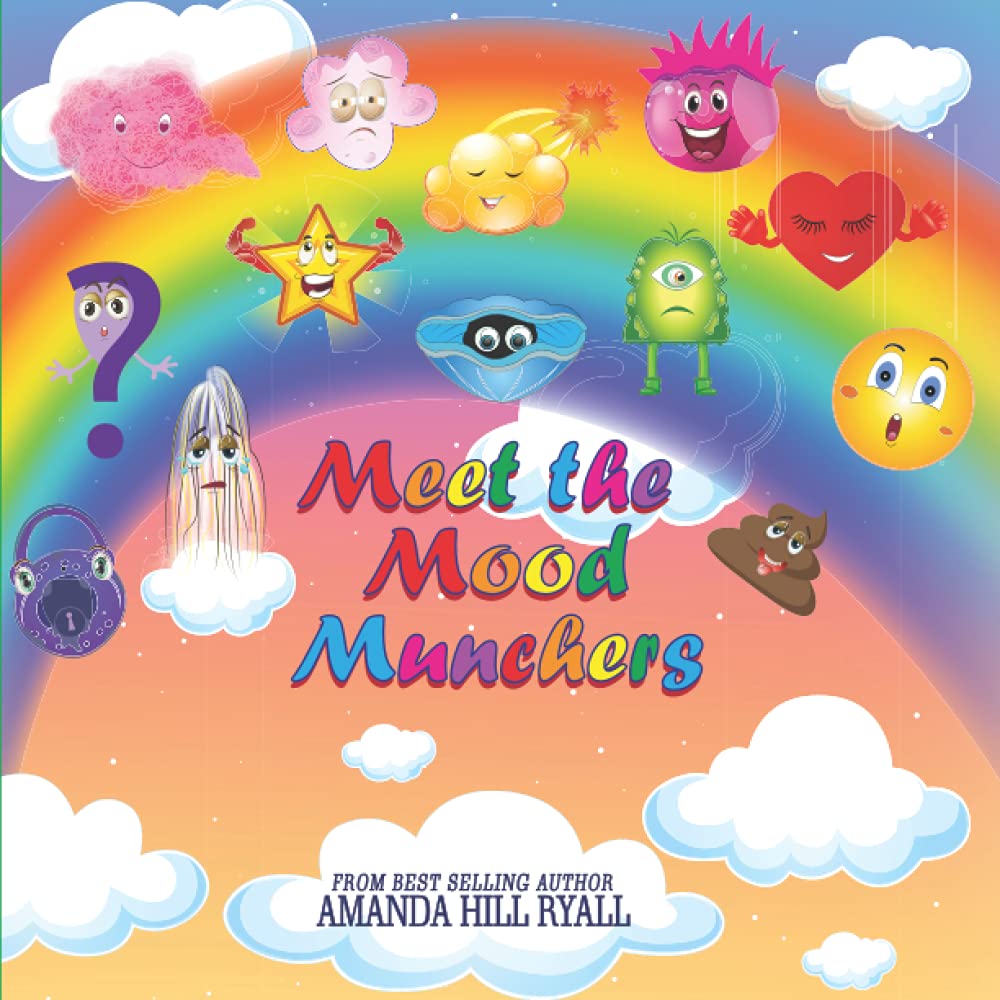
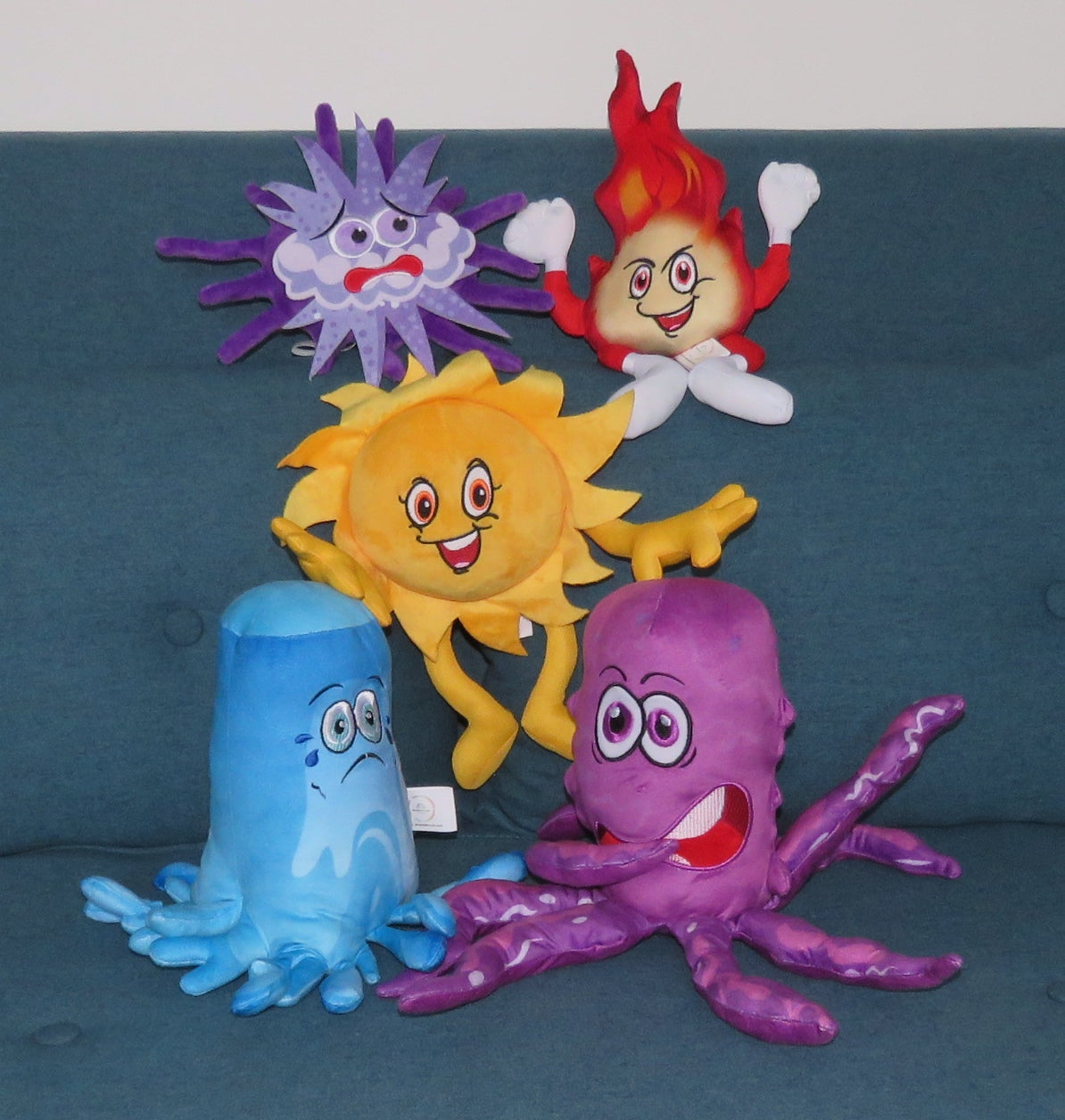
Picture books and characters can make this easier. The Mood Munchers range gives each emotion a character, so a child can point to a figure and say "I feel like Blaze today." For classroom ideas, see our resources for teachers.
How to Teach Emotional Literacy Step by Step
Emotional literacy is the wider skill of understanding feelings, recognising how they affect behaviour, and choosing a response. Teaching it works best in small, repeated steps.
- Name the emotion. Use a simple word and check it with the child.
- Explore the body clue. Ask where they feel it, such as a tight tummy for worry.
- Link the feeling to a cause. Talk about what happened, without judgement.
- Offer a range of responses. Suggest options like a break, a hug, a drink of water or drawing.
- Practise regularly. Short conversations during everyday moments work better than one long lesson.
Teachers wanting a fuller structure can explore our teacher edition, which includes alternative words and practical tips. Schools looking for a whole-school approach can explore Emotional Literacy Resolutions, which bring these skills into everyday school routines.
Emotional Regulation Activities for Kids That Work in Practice
Emotional regulation means managing the intensity and timing of feelings so a child can stay in control enough to think and act. Activities help children practise this when they are calm, so the skills are available when they are upset. The key is to rehearse regularly, not just in the heat of the moment.
Core activities to practise when calm
- Breathing games: Blowing bubbles slowly, “smelling the flower, blowing out the candle,” or tracing a finger around a star while breathing in and out.
- Movement breaks: Stomping like Blaze, then shaking out arms and legs; star jumps; pushing against a wall.
- Feelings charts: Pointing to a face or character to show how they feel; using a scale from 1 to 5.
- Calm-down corners: A cushion, a few quiet objects, a book, and a visual reminder of what to do.
Real-life scripts for common scenarios
Tantrum or meltdown
- Stay calm and lower your voice. “I can see you’re really cross. I’m here. Let’s take a big breath together when you’re ready.”
- Offer a choice. “Do you want to stomp three times or squeeze the cushion?”
- Afterwards, repair and reflect. “That was hard. You calmed down. What helped?”
Anxiety or worry
- Name and normalise. “It sounds like you’re worried about the test. Lots of people feel worried before something new.”
- Grounding. “Let’s name three things you can see, two you can hear, and one you can touch.”
- Plan a small step. “What’s one small thing we could do now?”
Conflict with a friend
- Validate both sides. “You felt left out when she played with someone else. That hurt.”
- Coach repair. “What could you say to her tomorrow?”
Emotional shutdown or withdrawal
- Offer quiet presence. “You don’t have to talk. I’ll sit here for a bit.”
- Use a low-demand activity. “Would you like to draw or just have a drink?”
- Check in later. “I’m here when you want to talk.”
Adapting for neurodiversity and sensory needs
- Autistic children: May need more processing time; use visual supports and clear, literal language. Avoid forcing eye contact.
- Children with ADHD: Shorter activities, more movement, and immediate feedback work better. Practise regulation skills in short bursts.
- Sensory sensitivities: Offer noise-reducing headphones, fidget toys, or a quiet space. Let the child choose from a menu of calming options.
- Speech and language needs: Use pictures, symbols, or sign to support naming feelings.
Watch out: If a child consistently refuses calming strategies or becomes more distressed when asked to use them, stop and try a different approach. Regulation is a skill built over time, not a compliance task.
Our emotional intelligence activities for early years article has more playful ideas.
The article summarises the core regulation activities and when each one suits a child.
| Activity | Practise when | Key benefit |
|---|---|---|
| Breathing games | Calm, as a regular habit | Builds calming skills for later use |
| Movement breaks | Calm, or to release energy | Helps the body settle |
| Feelings charts | Calm, to point to a feeling | Links faces or characters to feelings |
| Calm-down corner | Any time, with a visual reminder | Gives a quiet, familiar place to recover |
| Sensory tools | When sensory input overwhelms | Offers comfort and reduces overload |
Co-Regulation Strategies for Parents and Carers
Children learn to regulate their emotions by borrowing calm from the adults around them. This is called co-regulation. When an adult stays steady during a child's upset, the child's nervous system gradually learns that the storm will pass.
Practical co-regulation strategies include:
- Lowering your voice and slowing your speech
- Sitting or kneeling at the child's eye level
- Naming the feeling before trying to solve the problem
- Staying nearby without forcing a hug if the child does not want one
- Repairing afterwards: "I got cross earlier. Let's try again together."
Caregivers also need support. If you are finding a particular child's meltdowns hard to manage, our guide on calming a child having a meltdown offers step-by-step help.
Signs of Emotional Distress in Children and When to Seek Help
Most big feelings are a normal part of growing up. It is worth seeking advice if distress is intense, long-lasting, or getting in the way of daily life. Watch for:
- Feelings or outbursts that continue for several weeks
- Changes in sleep, appetite or toileting
- Withdrawal from friends, family or activities the child used to enjoy
- Frequent somatic complaints such as headaches or stomach aches with no clear cause
- Talk of hopelessness, self-harm or not wanting to be around
If you are concerned, speak to the child's teacher, school SENCO, GP or health visitor. Young Minds parents helpline offers free advice for adults worried about a child's mental health. Trust your instincts: asking for help early is always a sensible step.
Choosing Your Next Step: Starting Emotional Conversations This Week
Emotional development grows from ordinary daily moments, not perfect lessons. Choose one small step to begin with this week. You might name a feeling at breakfast, read a feelings story at bedtime, or try one breathing game after school.
At The Mood Munchers, we believe every child should feel safe to explore their full range of emotions. Explore our Mood Munchers characters and Meet the Mood Munchers storybook to find a starting point that suits your child, classroom or family.
Frequently Asked Questions
What are the stages of emotional development in children?
Emotional development in children happens gradually, and every child moves at a different pace. Between roughly ages 4 and 10, children typically move from recognising basic feelings like happiness and anger towards naming more complex emotions such as disappointment or embarrassment. They start to understand that other people can feel differently from them and gradually learn to manage strong feelings with support from adults. Milestones vary widely, so use them as a rough guide rather than a checklist. If you are concerned about a child's progress, talk to the child's teacher, SENCO or GP.
How can I help my child regulate their emotions?
Start by staying calm yourself, because children borrow regulation from the adults around them. Name the feeling your child is showing, such as 'You look really cross,' and keep your words short and warm. Once the storm has eased, help your child find a calming action they can use again, like taking five slow breaths, squeezing a cushion or going to a quiet corner. Repeating these steps across many small moments builds the skill over time, rather than expecting it to work instantly in the middle of a meltdown.
How do I teach a child to express their feelings appropriately?
Give children a wide vocabulary for feelings, so they have more options than 'good' or 'bad'. Model the words yourself by saying things like 'I feel frustrated because the bus was late.' Offer choices of safe ways to express emotions, such as drawing, talking, using a feelings chart or choosing a character that matches how they feel. Praise the act of telling you how they feel, even when the feeling is uncomfortable, so children learn that emotions are welcome to be shared.
What role does play have in emotional development?
Play gives children a safe space to explore feelings without real-world consequences. Role play, puppets, storybooks and soft toy characters allow children to practise naming emotions and imagining how someone else might feel. Characters that represent a feeling as something that visits rather than something that defines a child can make it easier to talk about anger or worry. Regular, relaxed play sessions offer more benefit than one-off lessons.
